Air Pollutants
Search for your pollutant, contaminant or concern for a product
Skatole
Skatole or 3-methylindole is a mildly toxic white crystalline organic compound belonging to the indole family. It occurs naturally in feces (it is produced from tryptophan in the mammalian digestive tract), and coal tar, and has a strong fecal odor. In low concentrations it has a flowery smell and is found in several flowers and essential oils, including those of orange blossoms, jasmine, and Ziziphus mauritiana. It is used as a fragrance and fixative in many perfumes and as an aroma compound. Its name is derived from the Greek root skato- meaning “dung”.
Media Solution
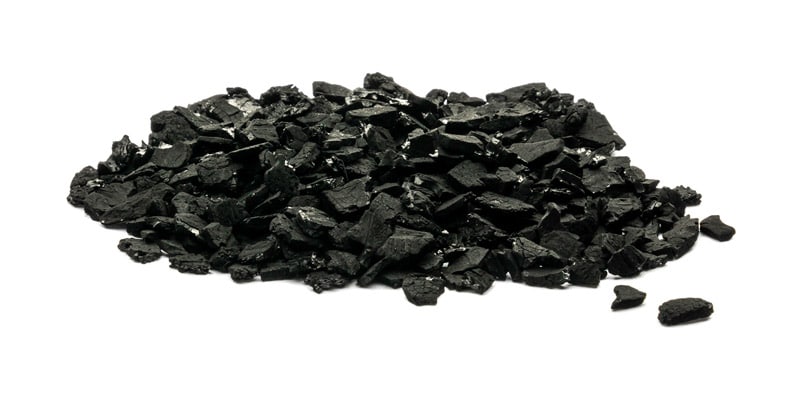 HS-AC
HS-AC
Slaughtering Odors
Media Solution
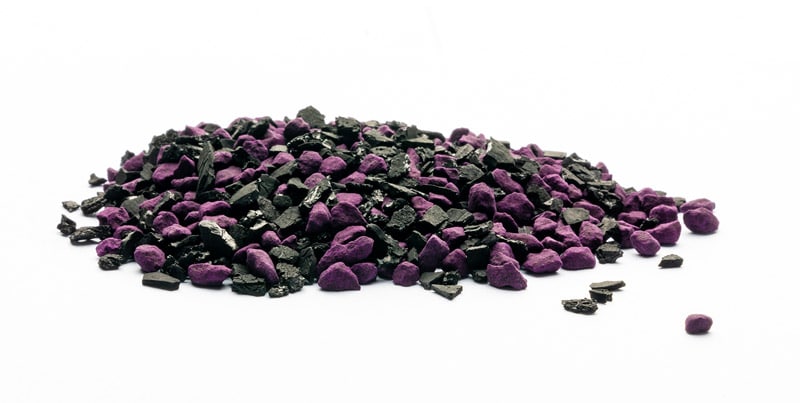 XB-17
XB-17
Smog
Smog is a type of air pollution; the word “smog” is a portmanteau of smoke and fog. Modern smog is a type of air pollution derived from vehicular emission from internal combustion engines and industrial fumes that react in the atmosphere with sunlight to form secondary pollutants that also combine with the primary emissions to form photochemical smog. Smog is also caused by large amounts of coal burning in an area caused by a mixture of smoke and sulfur dioxide.
Media Solution
Sour Milk
Soured milk is a food product, distinguished from spoiled milk, and is a general term for milk that has acquired a tart taste, either through the addition of an acid, such as lemon juice or vinegar, or through bacterial fermentation. The acid causes milk to coagulate and form a thicker consistency. Soured milk that is produced by bacterial fermentation is more specifically called fermented milk or cultured milk.[1] Soured milk that is produced by the addition of an acid, with or without the addition of microbial organisms, is more specifically called acidified milk. In the US, the acids that may be used in the manufacture of acidified milk are acetic acid (commonly found in vinegar), adipic acid, citric acid (commonly found in lemon juice), fumaric acid, glucono-delta-lactone, hydrochloric acid, lactic acid, malic acid, phosphoric acid, succinic acid, and tartaric acid.
Media Solution
Stoddard Solvent
White spirit, also known as Stoddard solvent, is a paraffin-derived clear, transparent liquid which is a common organic solvent used in painting and decorating. In 1924, an Atlanta dry cleaner named W. J. Stoddard worked with Lloyd E. Jackson of the Mellon Research Institute to develop specifications for a less volatile dry cleaning solvent as an alternative to more volatile petroleum solvents. Dry cleaners began using it in 1928 and it was the predominant dry cleaning solvent in the United States from the late 1920s until the late 1950s.
It is a mixture of saturated aliphatic and alicyclic C7 to C12 hydrocarbons with a maximum content of 25% of C7 to C12 alkyl aromatic hydrocarbons.
Media Solution
Styrene Monomer
Styrene, also known as vinyl benzene, is an organic compound with the chemical formula C6H5CH=CH2. This cyclic hydrocarbon is a colorless oily liquid that evaporates easily and has a sweet smell, although high concentrations confer a less pleasant odor. Styrene is the precursor to polystyrene and several copolymers. Approximately 15 billion pounds are produced annually.
Media Solution
Sulfur Dioxide
Sulfur dioxide (also sulphur dioxide) is the chemical compound with the formula SO2. It is produced by volcanoes and in various industrial processes. Since coal and petroleum often contain sulfur compounds, their combustion generates sulfur dioxide unless the sulfur compounds are removed before burning the fuel. Further oxidation of SO2, usually in the presence of a catalyst such as NO2, forms H2SO4, and thus acid rain. Sulfur dioxide emissions are also a precursor to particulates in the atmosphere. Both of these impacts are cause for concern over the environmental impact of these fuels.
Media Solution
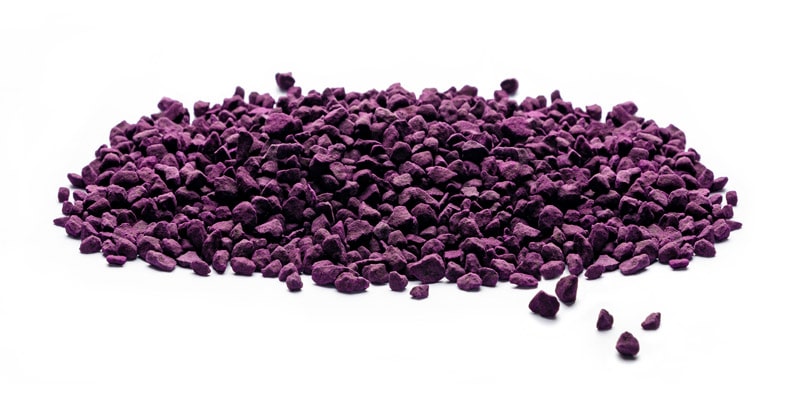 HS-600
Sulfur Trioxide
Sulfur trioxide (also spelled sulphur trioxide) is the chemical compound with the formula SO3. In the gaseous form, this species is a significant pollutant, being the primary agent in acid rain. It is prepared on massive scales as a precursor to sulfuric acid.
Media Solution
Sulfuric Acid
Sulfuric acid (alternative spelling sulphuric acid) is a strong mineral acid with the molecular formula H2SO4. It is soluble in water at all concentrations. Sulfuric acid has many applications, and is one of the top products of the chemical industry. World production in 2001 was 165 million tons, with an approximate value of US$8 billion. Principal uses include lead-acid batteries for cars and other vehicles, ore processing, fertilizer manufacturing, oil refining, wastewater processing, and chemical synthesis.
Media Solution
Terpene
Some describe the cannabis plant as having a skunky, floral, pungent, or earthy odor. These odors come from terpenes and terpenoids in the cannabis plant. Terpenes are organic compounds that have a strong odor. These odors are described as citrus, pine, spicy, or even candy. Different terpenes include myrcene, caryophyllen, linalool, humulene, limonene, and pinene. Terpenoids are derived from terpenes which have been chemically modified. The cannabis odors (terpenes and terpenoids) often escape the interior of the growing, processing, and packaging rooms of the grow houses.
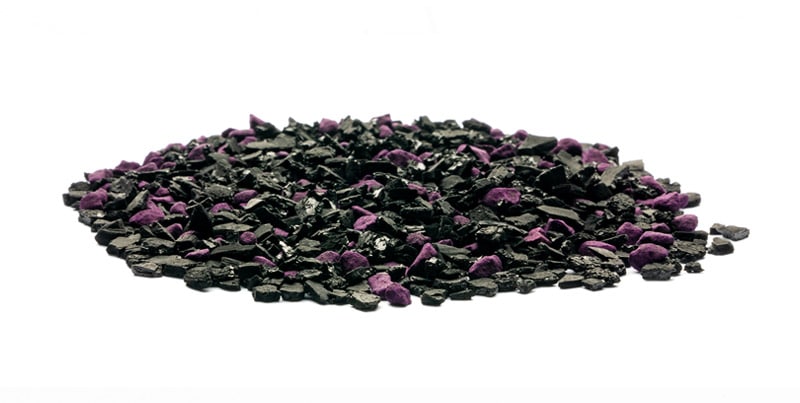 HS-Cannablend-Select