Air Pollutants
Search for your pollutant, contaminant or concern for a product
Tetrachloroethane
Tetrachloroethane is a chlorinated hydrocarbon. It is a colorless liquid with a sweet chloroform-like odor. It is used as a solvent and in the production of wood stains and varnishes. 1,1,2,2-Tetrachloroethane is a chlorinated derivative of ethane. It has the highest solvent power of any chlorinated hydrocarbon. As a refrigerant, it is used under the name R-130. It was once widely used as a solvent and as an intermediate in the industrial production of trichloroethylene, tetrachloroethylene, and 1,2-dichloroethylene. However, 1,1,2,2-tetrachloroethane is no longer used much in the United States due to concerns about its toxicity. Chronic inhalation exposure in humans results in jaundice and an enlarged liver, headaches, tremors, dizziness, numbness, and drowsiness and the U.S. Environmental Protection Agency as a Group C possible human carcinogen.
Media Solution
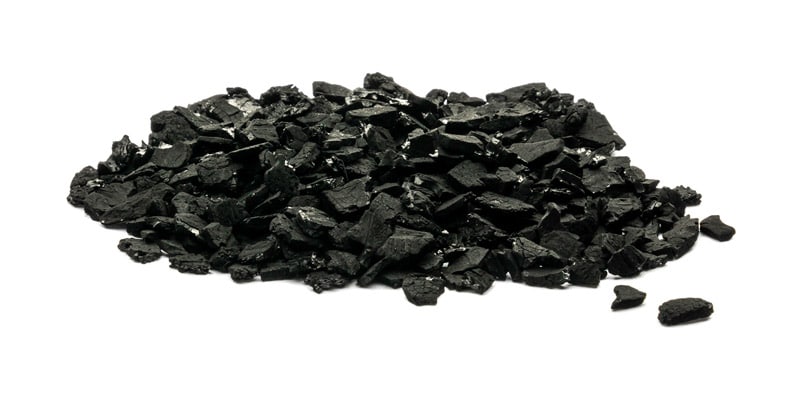 HS-AC
HS-AC
Tetrachloroethylene
Tetrachloroethylene, also known under its systematic name tetrachloroethene and many other names, is a chlorocarbon with the formula Cl2C=CCl2. It is a colourless liquid widely used for dry cleaning of fabrics, hence it is sometimes called “dry-cleaning fluid.” It has a sweet odor detectable by most people at a concentration of 1 part per million (1 ppm). Worldwide production was about 1 megatonne in 1985.
Media Solution
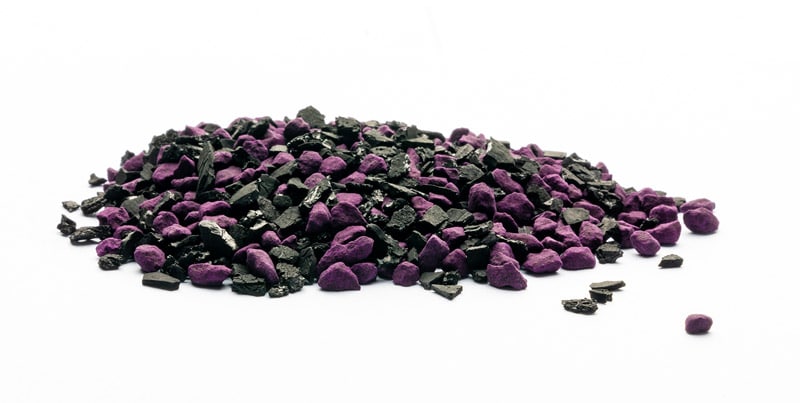 XB-17
XB-17
Tobacco Smoke Odor
Media Solution
Toilet Odors
Media Solution
Toluene
Toluene, formerly known as toluol, is a clear, water-insoluble liquid with the typical smell of paint thinners. Chemically it is a mono-substituted benzene derivative, i.e. one in which a single hydrogen atom from the benzene molecule has been replaced by a univalent group, in this case CH3. It is an aromatic hydrocarbon that is widely used as an industrial feedstock and as a solvent. Like other solvents, toluene is sometimes also used as an inhalant drug for its intoxicating properties; however, this can potentially cause severe neurological harm.
Media Solution
Toluidine
There are three isomers of toluidine, which are organic compounds. These isomers are o-toluidine, m-toluidine, and p-toluidine. The o- stands for ortho- , m- stands for meta- , and p- stands for para- . All three are aryl amines whose chemical structures are similar to aniline except that a methyl group is substituted onto the aromatic ring. The difference between these three isomers is the position where the methyl group (-CH3) is bonded to the ring relative to the amino functional group (-NH2); see illustration of the chemical structures below.
Media Solution
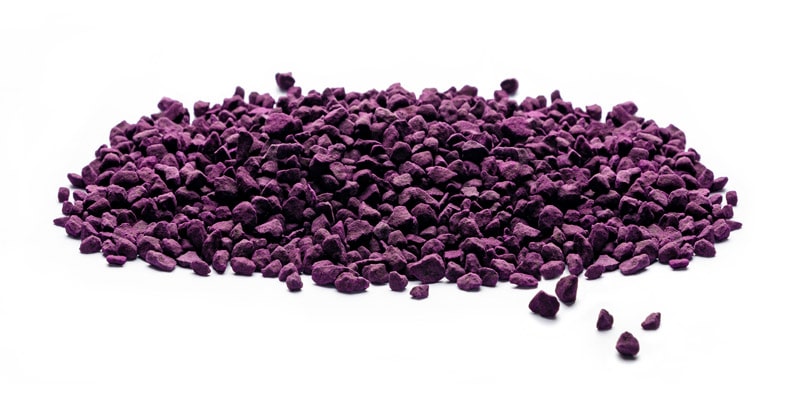 HS-600
Trichloroethane
The organic compound 1,1,1-trichloroethane is a chloroalkane. This colourless, sweet-smelling liquid was produced industrially in large quantities for use as a solvent. It is regulated by the Montreal Protocol as an ozone depleting substance and its use is being rapidly phased out. 1,1,2-Trichloroethane, or 1,1,2-TCA, is an organochloride solvent with the molecular formula C2H3Cl3. It is a colorless, sweet-smelling liquid that does not dissolve in water, but is soluble in most organic solvents. It is used as a solvent and as an intermediate in the synthesis of 1,1-dichloroethane. TCA is a central nervous system depressant and inhalation of vapors may cause dizziness, drowsiness, headache, nausea, shortness of breath, unconsciousness, or cancer.
Media Solution
Trichloroethylene
The chemical compound trichloroethylene is a chlorinated hydrocarbon commonly used as an industrial solvent. It is a clear non-flammable liquid with a sweet smell. The IUPAC name is trichloroethene. Industrial abbreviations include TCE, trichlor, Trike, Tricky and tri. It has been sold under a variety of trade names. Under the trade names Trimar and Trilene, trichloroethylene was used as a volatile anesthetic and as an inhaled obstetrical analgesic in millions of patients.
Media Solution
Turpentine
Turpentine (also called spirit of turpentine, oil of turpentine, and wood turpentine) is a fluid obtained by the distillation of resin obtained from trees, mainly pine trees. It is composed of terpenes, mainly the monoterpenes alpha-pinene and beta-pinene. It is sometimes known colloquially as turps, but this more often refers to turpentine substitute (or mineral turpentine). The word turpentine derives (via French and Latin) from the Greek word τεÏεβινθίνη terebinthine, the name of a species of tree, the terebinth tree, from whose sap the spirit was originally distilled.
Media Solution
Urea
Urea or carbamide is an organic compound with the chemical formula (NH2)2CO. The molecule has two amine (-NH2) groups joined by a carbonyl (C=O) functional group. Urea serves an important role in the metabolism of nitrogen-containing compounds by animals and is the main nitrogen-containing substance in the urine of mammals. It is solid, colourless, and odorless (although the ammonia which it gives off in the presence of water, including water vapor in the air, has a strong odor). It is highly soluble in water and non-toxic. Dissolved in water it is neither acidic nor alkaline. The body uses it in many processes, most notably nitrogen excretion. Urea is widely used in fertilizers as a convenient source of nitrogen. Urea is also an important raw material for the chemical industry. The synthesis of this organic compound by Friedrich Wöhler in 1828 from an inorganic precursor was an important milestone in the development of organic chemistry, as it showed for the first time that a molecule found in living organisms could be synthesized in the lab without biological starting materials.
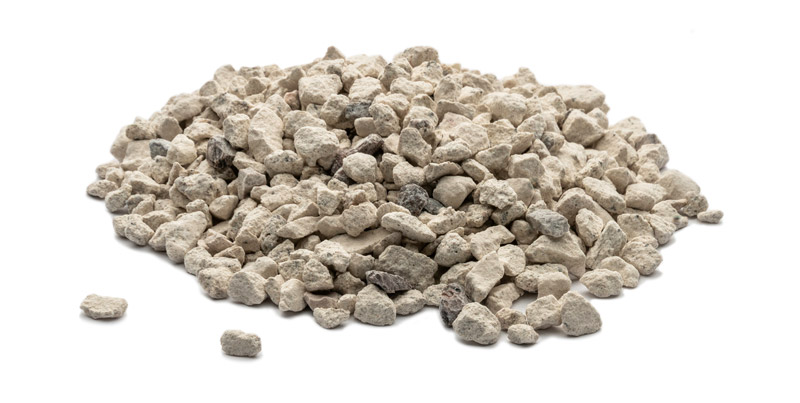 HS-100
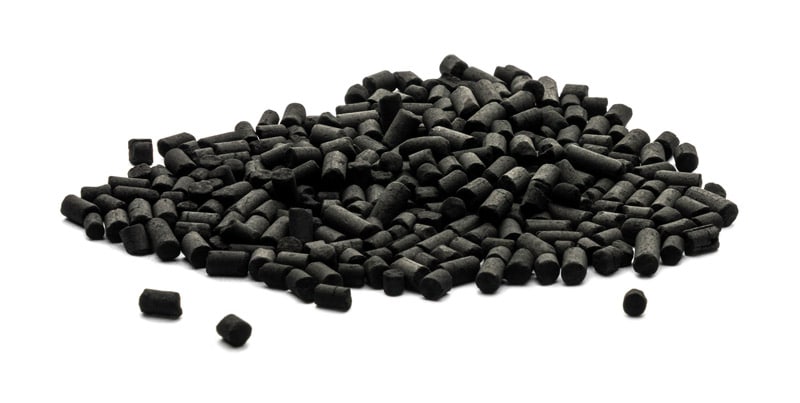 HS-AC-P-PO