Air Pollutants
Search for your pollutant, contaminant or concern for a product
Propyl Ether
A colorless liquid with an ether-like odor. Less dense than water. Flash point below 0°F. Vapors heavier than air. Used to make other chemicals.
Media Solution
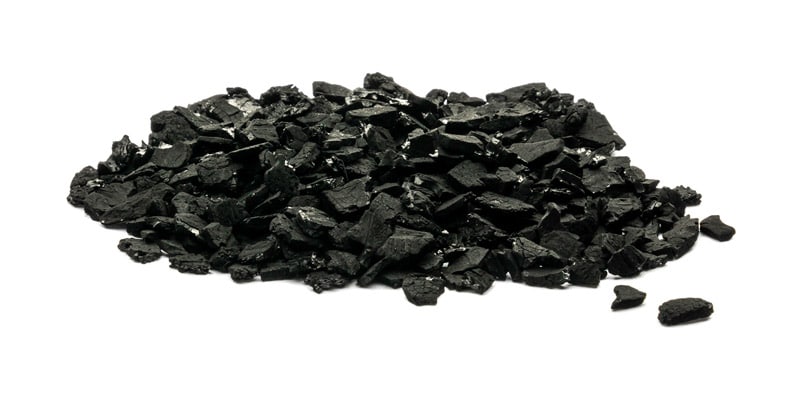 HS-AC
HS-AC
Propyl Mercaptan
Media Solution
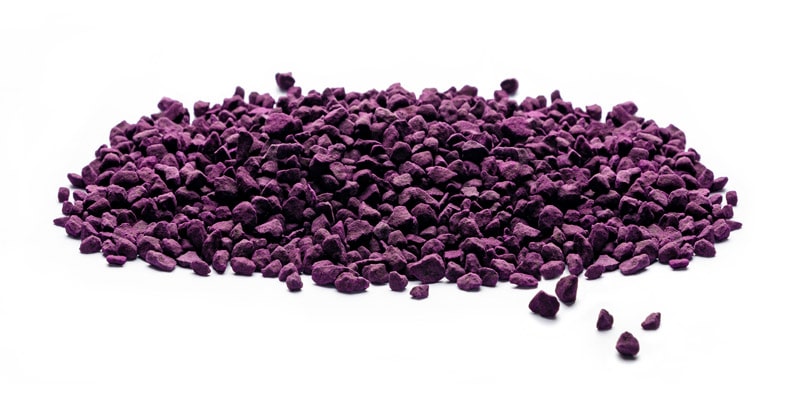 HS-600
Propylene
Propene, also known as propylene, is an unsaturated organic compound having the chemical formula C3H6. It has one double bond, and is the second simplest member of the alkene class of hydrocarbons, and it is also second in natural abundance.
Media Solution
Propyne
Methylacetylene (propyne) is an alkyne with the chemical formula CH3CCH. It is a component of MAPP gas along with its isomer 1,2-propadiene (allene), which is commonly used in gas welding. Unlike acetylene, methylacetylene can be safely condensed.
Media Solution
Putrescine
Putrescine (sometimes spelled putrescin) is a foul-smelling organic chemical compound NH2(CH2)4NH2 (1,4-diaminobutane or butanediamine) that is related to cadaverine; both are produced by the breakdown of amino acids in living and dead organisms and both are toxic in large doses. The two compounds are largely responsible for the foul odor of putrefying flesh, but also contribute to the odor of such processes as bad breath and bacterial vaginosis. They are also found in semen and some microalgae, together with related molecules like spermine and spermidine.
Media Solution
Putriefied Substances
Media Solution
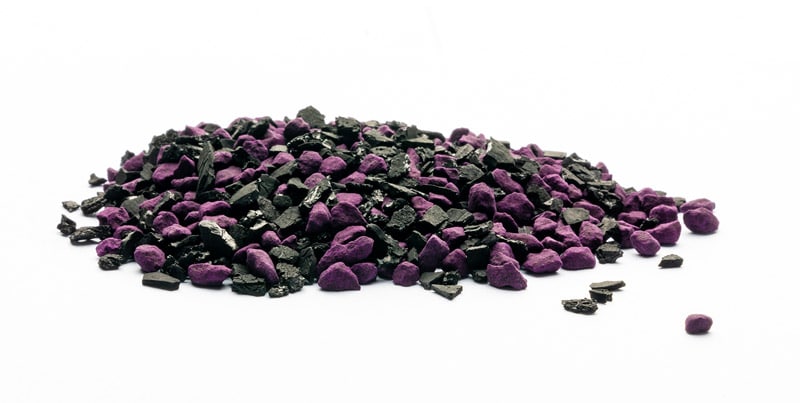 XB-17
XB-17
Pyridine
Pyridine is a heterocyclic organic compound with the chemical formula C5H5N. It is structurally related to benzene, with one CH group replaced by a nitrogen atom. It is used as a precursor to agrochemicals and pharmaceuticals and is also an important solvent and reagent. It is a colorless liquid with a distinctive, unpleasant fish-like odor. The pyridine ring occurs in many important compounds, including the vitamins nicotinamide and pyridoxal.
Media Solution
Resins
Resin is a hydrocarbon secretion of many plants, particularly coniferous trees. It is valued for its chemical properties and associated uses, such as the production of varnishes, adhesives, and food glazing agents; as an important source of raw materials for organic synthesis; and as constituents of incense and perfume.
Media Solution
Rubber
Natural rubber, also called India rubber or caoutchouc, is an elastomer (an elastic hydrocarbon polymer) that was originally derived from latex, a milky colloid produced by some plants. The plants would be ‘tapped’, that is, an incision made into the bark of the tree and the latex sap collected and refined into a usable rubber. The purified form of natural rubber is the chemical polyisoprene, which can also be produced synthetically. Natural rubber is used extensively in many applications and products, as is synthetic rubber.
Media Solution
Sewer Odors
Sewage odors can range from rotten eggs to ammonia. Most of these smells/odors are chemical substances such as hydrogen sulfide, mercaptans, and volatile organic compounds (VOCs).