Air Pollutants
Search for your pollutant, contaminant or concern for a product
Phosgene
Phosgene is the chemical compound with the formula COCl2. This colorless gas gained infamy as a chemical weapon during World War I. It is also a valued industrial reagent and building block in synthesis of pharmaceuticals and other organic compounds. In low concentrations, its odor resembles freshly cut hay or grass. Some soldiers during the First World War stated that it smelled faintly of mayblossom. In addition to its industrial production, small amounts occur naturally from the breakdown and the combustion of organochlorine compounds, such as those used in refrigeration systems. The name, sounding similar to “phosphine”, does not mean it has any phosphorus.
Media Solution
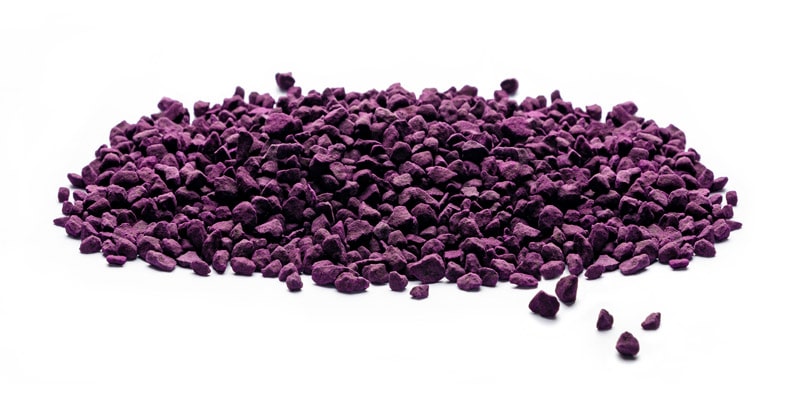 HS-600
Pitch
Media Solution
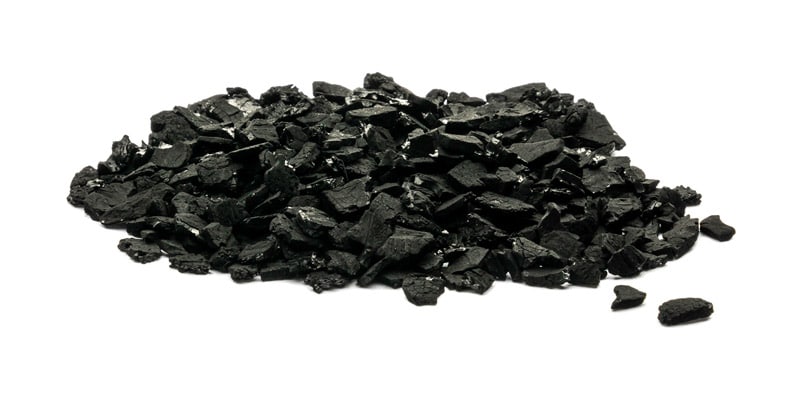 HS-AC
HS-AC
Poison Gases
Media Solution
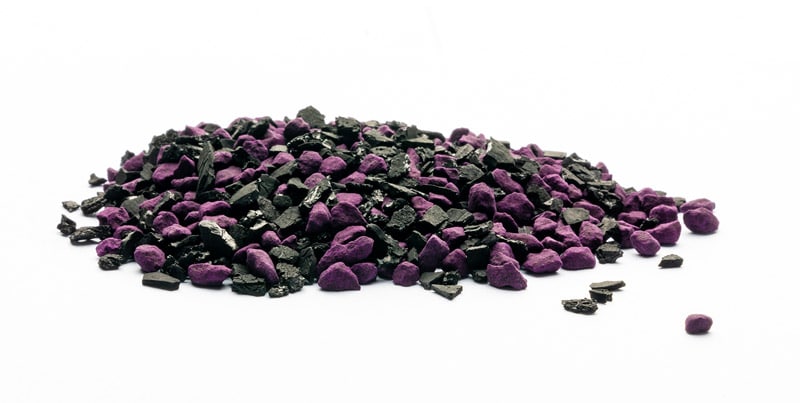 XB-17
XB-17
Poultry Odors
Media Solution
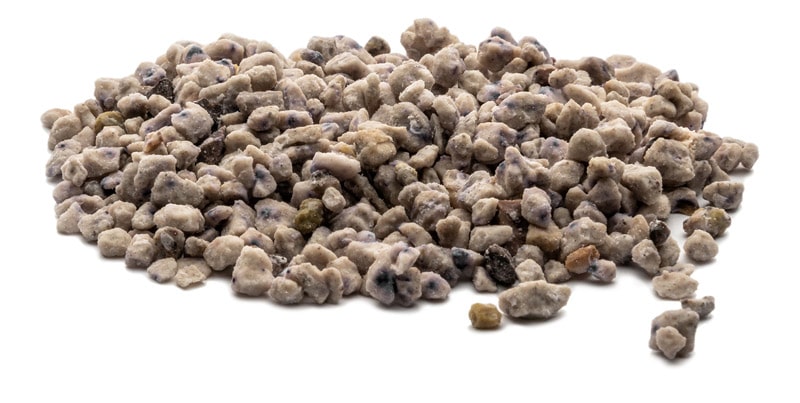 HS-100-PO
 HS-AC-P-PO
Propane
Propane is a three-carbon alkane, normally a gas, but compressible to a transportable liquid. A by-product of natural gas processing and petroleum refining, it is commonly used as a fuel for engines, oxy-gas torches, barbecues, portable stoves and residential central heating. A mixture of propane and butane, used mainly as vehicle fuel, is commonly known as liquefied petroleum gas (LPG or LP gas). It may also contain small amounts of propylene and/or butylene. An odorant such as ethanethiol or thiophene is added so that people can easily smell the gas in case of a leak.
Media Solution
Propionaldehyde
Propionaldehyde or propanal is the organic compound with the formula CH3CH2CHO. It is a saturated 3-carbon aldehyde and is a structural isomer of acetone. It is a colourless liquid with a slightly irritating, fruity odour.
Media Solution
Propionic Acid
Propanoic acid (from ‘propane’, and also known as propionic acid) is a naturally-occurring carboxylic acid with chemical formula CH3CH2COOH. It is a clear liquid with a pungent odor. The anion CH3CH2COO− as well as the salts and esters of propanoic acid are known as propanoates (or propionates).
Media Solution
Propyl Acetate
The chemical compound propyl acetate, also known as propyl ethanoate, is a common solvent. This clear, colourless liquid is known by its characteristic odour of pears. Due to this fact, it is commonly used as a flavouring additive. It is formed by the esterification of acetic acid and 1-propanol.
Media Solution
Propyl Alcohol
Propan-1-ol is a primary alcohol with the molecular formula of CH3CH2CH2OH. It is also known as 1-propanol, 1-propyl alcohol, n-propyl alcohol, n-propanol, or simply propanol. It is an isomer of propan-2-ol. It is used as a solvent in the pharmaceutical industry, and for resins and cellulose esters. It is formed naturally in small amounts during many fermentation processes. Isopropyl alcohol (also propan-2-ol, 2-propanol or the abbreviation IPA) is a common name for a chemical compound with the molecular formula C3H8O. It is a colorless, flammable chemical compound with a strong odor. It is the simplest example of a secondary alcohol, where the alcohol carbon is attached to two other carbons sometimes shown as (CH3)2CHOH. It is a structural isomer of propanol.
Media Solution
Propyl Chloride
Isopropyl chloride (also chlorodimethylmethane, 2-propyl chloride, sec-propyl chloride or 2-chloropropane) is a colorless, flammable chemical compound . It has the chemical formula C3H7Cl and is prepared by refluxing isopropyl alcohol with concentrated hydrochloric acid and zinc chloride. Propyl chloride (also 1-propyl chloride or 1-chloropropane) is a colorless, flammable chemical compound. It has the chemical formula C3H7Cl and is prepared by reacting n-propyl alcohol with phosphorus trichloride in the presence of a zinc chloride catalyst.