Air Pollutants
Search for your pollutant, contaminant or concern for a product
Methylcyclohexonal
Methylcyclohexonal is a colorless liquid.
Media Solution
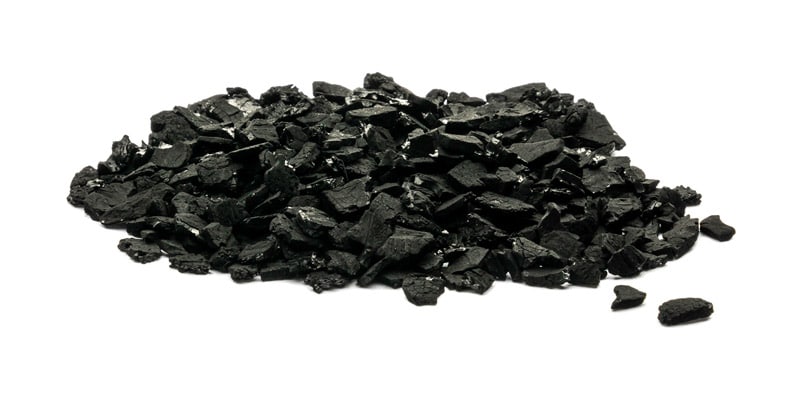 HS-AC
HS-AC
Monochlorobenzene
Monochlorobenzene is an aromatic organic compound with the chemical formula C6H5Cl. This colorless, flammable liquid is a common solvent and a widely used intermediate in the manufacture of other chemicals.
Media Solution
Monofluortrichlormethane
It is well known that the use of the blowing agent monofluortrichlormethane, also called Freon 11 or R-11, for the production of polyurethane foam is highly disadvantageous in that R-11 has a decomposing effect on the ozone layer around our planet. In spite of a vast scientific research it has not so far been possible to provide a practically usable substitute for R-11, but such a substitute of a simple nature is provided by the invention. According to the invention use is made of a mixture of specific substances, which are generally undangerous in use and also otherwise advantageous, but the boiling points of which are so remote from the usual working temperature that each one of the substances will be totally unusable for the purpose. The two primary substances are 1.1.1.trichloroethane and R-22 with boiling points 75°-76° C. and -41° C., respectively; when these substances are mixed and are mixed into the compound to be foamed the process conditions will widely correspond to the use of R-11, though further advantages are achievable.
Media Solution
Naphtha
Naphtha normally refers to a number of different flammable liquid mixtures of hydrocarbons, i.e. a distillation product from petroleum or coal tar boiling in a certain range and containing certain hydrocarbons. It is a broad term covering the lightest and most volatile fraction of the liquid hydrocarbons in petroleum. In petroleum engineering, full range naphtha is defined as the fraction of hydrocarbons in petroleum boiling between 30°C and 200°C It consists of a complex mixture of hydrocarbon molecules generally having between 5 and 12 carbon atoms. It typically constitutes 15-30% of crude oil, by weight. Light naphtha is the fraction boiling between 30°C and 90°C and consists of molecules with 5-6 carbon atoms. Heavy naphtha boils between 90°C and 200°C and consists of molecules with 6-12 carbons. Naphtha is used primarily as feedstock for producing high octane gasoline (via the catalytic reforming process). It is also used in the petrochemical industry for producing olefins in steam crackers and in the chemical industry for solvent (cleaning) applications. Common products made with it include lighter fluid, fuel for camp stoves, and some cleaning solvents.
Media Solution
Napthiziene
Media Solution
Nitric Acid
Nitric acid (HNO3), also known as aqua fortis and spirit of nitre, is a highly corrosive and toxic strong acid. Colorless when pure, older samples tend to acquire a yellow cast due to the accumulation of oxides of nitrogen. If the solution contains more than 86% nitric acid, it is referred to as fuming nitric acid. Depending on the amount of nitrogen dioxide present, fuming nitric acid is further characterized as white fuming nitric acid or red fuming nitric acid, At concentrations above 95% at room temperature, nitric acid tends to rapidly develop a yellow color due to decomposition. Nitric acid is also commonly used as a strong oxidizing agent.
Media Solution
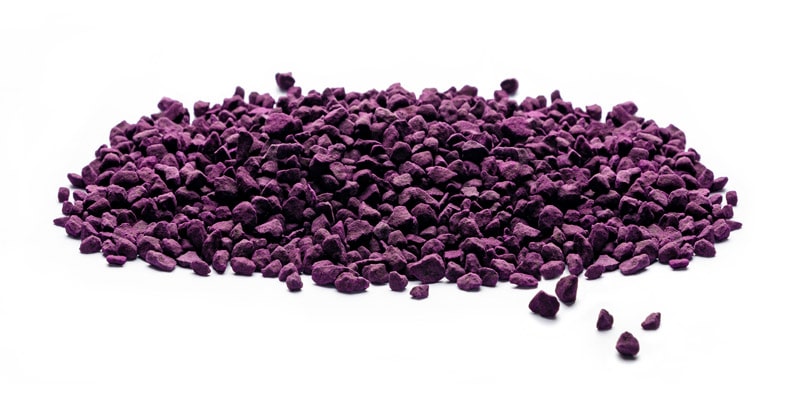 HS-600
Nitrobenzene
Nitrobenzene is an organic compound with the chemical formula C6H5NO2. Nitrobenzene is a water-insoluble pale yellow oil with an almond-like odor. It freezes to give greenish-yellow crystals. Although occasionally used as a flavoring or perfume additive, nitrobenzene is highly toxic in large quantities and is mainly produced as a precursor to aniline. In the laboratory, it is occasionally used as a solvent, especially for electrophilic reagents.
Media Solution
Nitroethane
Nitroethane is an organic compound having the chemical formula C2H5NO2. Similar in many regards to nitromethane, nitroethane is an oily liquid at standard temperature and pressure. Pure nitroethane is colourless and has a fruity odor.
Media Solution
Nitrogen Dioxide
Nitrogen dioxide is the chemical compound with the formula NO2. One of several nitrogen oxides, NO2 is an intermediate in the industrial synthesis of nitric acid, millions of tons of which are produced each year. This reddish-brown toxic gas has a characteristic sharp, biting odor and is a prominent air pollutant. Nitrogen dioxide is a paramagnetic bent molecule with C2v point group symmetry.
Media Solution
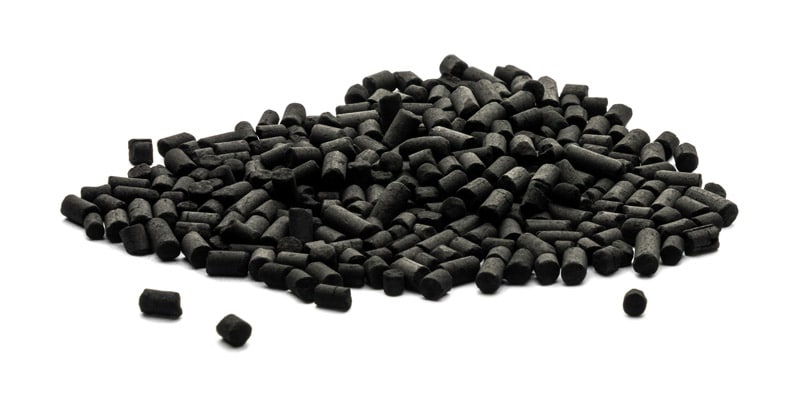 HS-AC-P-KOH
Nitroglycerine
Nitroglycerin (NG), (United States spelling) also known as nitroglycerine (UK spelling), trinitroglycerin, trinitroglycerine, 1,2,3-trinitroxypropane and glyceryl trinitrate, is a heavy, colorless, oily, explosive liquid obtained by nitrating glycerol. Since the 1860s, it has been used as an active ingredient in the manufacture of explosives, specifically dynamite, and as such is employed in the construction and demolition industries. Similarly, since the 1880s, it has been used by the military as an active ingredient, and a gelatinizer for nitrocellulose, in some solid propellants, such as Cordite and Ballistite. Nitroglycerin is also used medically as a vasodilator to treat heart conditions, such as angina and chronic heart failure. It is one of the oldest and most useful drugs for treating heart disease by shortening or even preventing attacks of angina pectoris. Nitroglycerin comes in forms of tablets, sprays or patches. Nitroglycerin can be used to help destroy prostate cancer[2] as well as being used as a heart medication.